Physical Address
304 North Cardinal St.
Dorchester Center, MA 02124
Physical Address
304 North Cardinal St.
Dorchester Center, MA 02124




Becoming a joomla developer is a realistic goal for anyone who enjoys building web applications with a flexible, open‑source CMS. In 2026 Joomla 5 runs on PHP 8.x and offers a modern MVC framework, making it a solid choice for small businesses, NGOs, and even large enterprises. In this guide we walk through the day‑to‑day responsibilities, the technical stack you need to master, a step‑by‑step learning path, certification options, career routes, salary expectations, and how to showcase your work. By the end you will have a clear roadmap and a list of concrete resources to start earning as a professional joomla developer.
Our role as a joomla developer revolves around creating, customizing, and maintaining Joomla‑based websites and extensions. Typical tasks include:
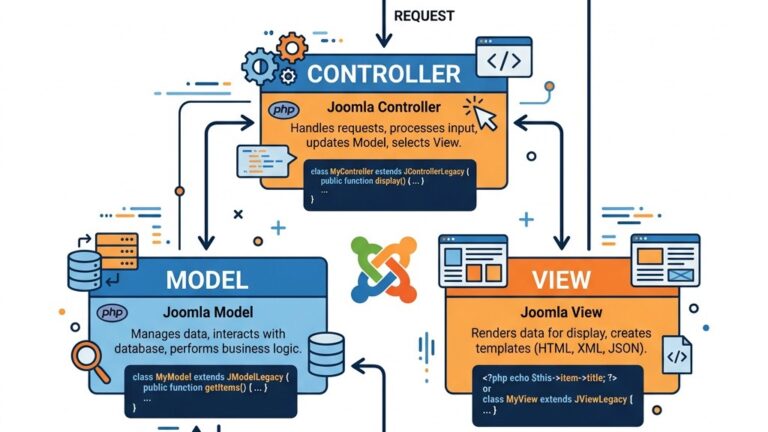
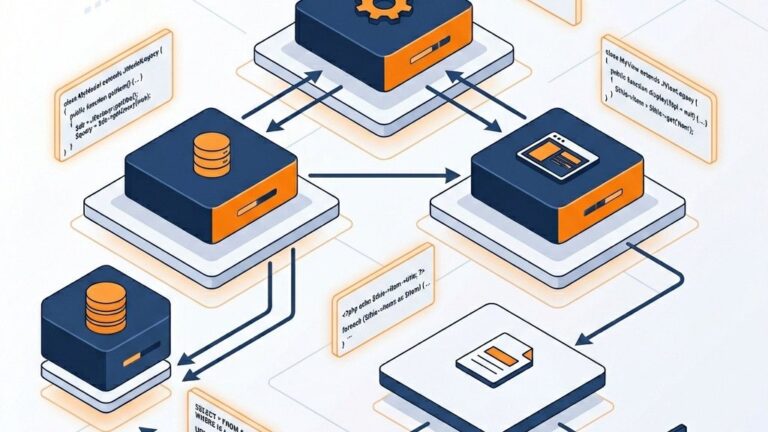
Because Joomla follows an MVC pattern, we often switch between PHP back‑end code, JavaScript front‑end enhancements, and SQL queries. The ability to move fluidly across these layers is what separates a seasoned joomla developer from a casual site builder.
Start by installing Joomla 5 on a local machine. Our Step‑by‑Step Guide walks you through using Docker or XAMPP. Once the site is up, explore the admin interface and read the Everything You Need to Know article.
If you are new to PHP, complete the “PHP 8 Fundamentals” course on Codecademy or the free “PHP for Beginners” series on YouTube. Pair this with a MySQL tutorial that covers joins, indexes, and stored procedures. Practice by creating a simple “Hello World” component that reads data from a custom table.
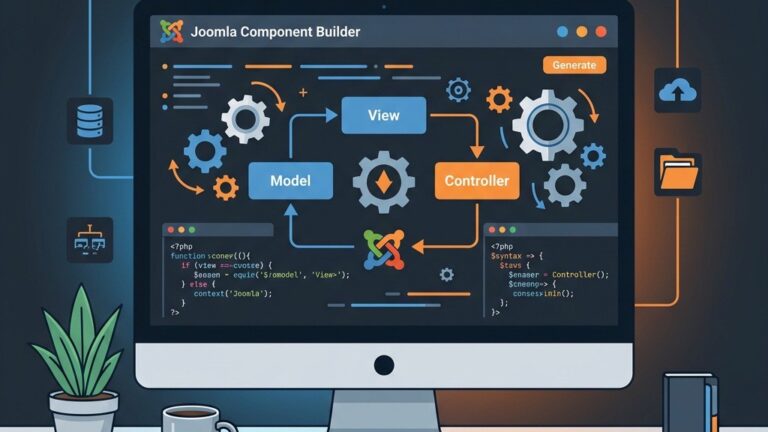
Follow the Create Your First Plugin tutorial. Then move on to a module using the Quick‑Start Your Module generator. Finally, tackle a component with the Step‑by‑Step Guide. Each project should be version‑controlled with Git and documented in a README.
Read the MVC Architecture Explained article and implement a CRUD component that follows best practices. Then expose the same data via a REST endpoint using the Building RESTful Services guide.
Run the Database & Server Tuning checklist on your test site. Apply the Security Audit Checklist to identify common vulnerabilities such as XSS or SQL injection.
Join the Joomla forums, attend the annual JoomlaWorld conference (virtual option available), and submit a small bug fix or feature to the core repository. Open‑source contributions are a strong signal for employers.
The Joomla Certification Program offers three levels: Associate, Professional, and Expert. The exam covers core development, security, and performance. Preparing for the exam forces you to review topics you might have missed during self‑study.
Official certification validates your knowledge and can increase your hourly rate by 10‑20 %. The exam costs $199 for the Associate level and $299 for Professional. Study materials include the official Joomla Documentation, the Why It’s Still Relevant in 2026 article, and practice tests on the Joomla Academy platform. After passing, you receive a digital badge that you can display on your LinkedIn profile and personal website.
Freelancers typically charge $50‑$120 per hour, depending on expertise and location. Platforms like Upwork and Toptal list dozens of Joomla projects weekly. A strong portfolio (see the next section) helps you win higher‑paying contracts.
Web agencies often hire developers to maintain client sites, build custom extensions, and provide ongoing support. Salaries range from $55,000 to $85,000 per year in the United States, with benefits such as health insurance and paid training.
Large organizations—universities, government agencies, and e‑commerce retailers—run complex Joomla installations. In‑house roles may involve architecture design, performance tuning, and security compliance. Compensation can reach $100,000‑$120,000 for senior developers.
Developing premium extensions for the Joomla Extension Directory (JED) can generate passive income. Successful extensions earn $2,000‑$10,000 annually through sales and support contracts.
According to the 2024 Stack Overflow Developer Survey, Joomla remains the 9th most popular CMS among professional developers. In the United States, the median salary for a joomla developer is $78,000 per year, with the top 10 % earning $115,000+. In Europe, salaries range from €40,000 in Eastern Europe to €80,000 in Western countries. The demand is steady because many legacy sites have not migrated to newer platforms, and Joomla 5’s modern features are attracting new projects.
Key market drivers include:
Staying current with PHP 8.x, Joomla 5, and modern DevOps practices will keep you competitive.
A solid portfolio demonstrates both breadth and depth. Follow these steps:
Finally, write a blog post about your experience building a Joomla 5 extension. This not only improves SEO for your name but also demonstrates communication skills to potential employers.
Core skills include PHP 8.x, MySQL, HTML5, CSS3, JavaScript (ES6+), and a solid grasp of Joomla’s MVC architecture. Familiarity with Composer, Git, and modern DevOps tools (Docker, CI/CD) is also important.
Yes. Joomla powers over 2 million websites worldwide, including government portals, universities, and e‑commerce stores. The release of Joomla 5 in 2025 introduced a modern UI, improved routing, and native support for PHP 8, keeping the platform relevant.
For developers with basic PHP and web fundamentals, Joomla’s learning curve is moderate. The admin interface is intuitive, and the official documentation is extensive. Our Everything New Users Need to Know tutorial is a good starting point.
In the United States, salaries range from $55,000 for junior roles to $115,000+ for senior positions. Freelancers typically charge $50‑$120 per hour. European salaries vary from €40,000 to €80,000 depending on country and experience.
Enroll in the official Joomla Certification Program, study the core documentation, and complete hands‑on projects such as a custom component (Step‑by‑Step Guide) and a plugin (Create Your First Plugin). Practice with sample exams and schedule the test when you feel confident.