Finding the right professional to build or maintain your Joomla site can be the difference between a smooth launch and a series of setbacks. At JoomlaXTC we have helped hundreds of site owners hire a Joomla developer who understands the platform inside out. In this guide we walk you through the roles a Joomla developer plays, the skills you should expect, where to look for talent, how much you might pay, and the questions you need to ask before signing a contract. If you’re new to the ecosystem, start with our What Is Joomla overview to get a quick refresher.
What Does a Joomla Developer Do?
A Joomla developer is a specialist who builds, customizes, and maintains sites that run on the Joomla content management system. Their day‑to‑day tasks can include:
Creating custom components, modules, and plugins that extend core functionality.
Designing and tweaking templates to match brand guidelines.
Integrating third‑party services such as payment gateways, CRMs, or marketing tools.
Optimizing performance and ensuring the site loads quickly on all devices.
Running security audits and applying patches to keep the site safe.
Providing ongoing support, bug fixes, and updates.
All of these responsibilities fall under the umbrella of Joomla Development. Whether you need a simple brochure site or a complex e‑commerce platform, a skilled developer will know which Joomla core features to use and when a custom solution is required.
Key Skills to Look For
When you hire a Joomla developer, you want to be sure they possess a solid technical foundation. Below are the most important competencies.
PHP and MySQL – Joomla is built on PHP and stores data in MySQL. A developer should write clean, maintainable code and be comfortable writing efficient queries.
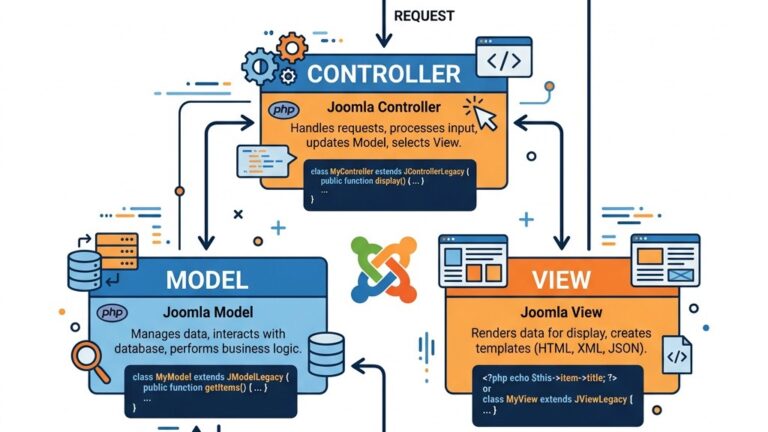
Joomla MVC Architecture – Understanding the Model‑View‑Controller pattern is essential for building components that follow Joomla standards.
Template Overrides – Ability to modify the output of core components without hacking core files.
API Integration – Many projects need to connect Joomla with external services. A developer should know how to work with RESTful APIs. Our API development page outlines best practices.
Security Awareness – Joomla sites are frequent targets for attacks. Look for developers who use tools like our security scanner and follow hardening guidelines.
Performance Optimization – Speed matters for SEO and user experience. A good developer will understand caching, lazy loading, and database indexing. Read more about performance optimization.
Where to Find Joomla Developers
There are several channels you can explore when you decide to hire a Joomla developer. Each has its own pros and cons.
Freelance Platforms – Websites such as Upwork, Fiverr, and Toptal host many Joomla specialists. You can view ratings, hourly rates, and past work samples.
Agencies – Agencies often have a team of developers, designers, and project managers. They can handle larger projects and provide a single point of contact.
Joomla Community – The official Joomla forums, Joomla! Extensions Directory, and local Joomla User Groups are great places to meet developers who are active in the community.
Job Boards – Sites like Indeed, Stack Overflow Jobs, and RemoteOK list full‑time or contract positions for Joomla experts.
Referral Networks – Ask other site owners or agencies for recommendations. A personal referral can reduce the risk of a bad hire.
How Much Does It Cost to Hire a Joomla Developer?
Budget is a key factor, and rates can vary widely based on geography, experience, and project scope. Below is a quick snapshot of typical hourly rates in 2026:
North America (US & Canada) – $80‑$150 per hour.
Western Europe (UK, Germany, France) – €70‑€130 per hour.
Eastern Europe (Poland, Ukraine, Romania) – $30‑$60 per hour.
Asia (India, Philippines, Vietnam) – $20‑$45 per hour.
Australia & New Zealand – $70‑$120 per hour.
Many developers prefer a fixed‑price contract for well‑defined projects, while others work on a retainer for ongoing maintenance. Factors that affect cost include:
Complexity of the extension or custom component.
Number of third‑party integrations.
Design requirements and template customization.
Security and performance testing needs.
Timeline and urgency of delivery.
When you hire a Joomla developer, ask for a detailed estimate that breaks down each task. This helps avoid surprise charges later on.
Red Flags to Watch Out For
Not every candidate who lists “Joomla” on their résumé is a good fit. Keep an eye out for these warning signs:
Vague portfolio that lacks Joomla examples.
Reluctance to share code samples or GitHub links.
Only mentions “WordPress” or “Drupal” experience without Joomla specifics.
Unclear communication style or delayed responses during the interview.
Offers unrealistically low rates that may indicate inexperience.
Fails to discuss security practices or performance considerations.
If any of these appear, it’s worth moving on to the next candidate.
Questions to Ask Before Hiring
We recommend a short interview that covers both technical knowledge and soft skills. Below are some questions that have helped us evaluate candidates effectively.
Can you walk us through a recent Joomla component you built? Look for details about MVC usage, database design, and testing.
How do you approach security hardening for a Joomla site? Expect mentions of the security scanner, regular updates, and permission checks.
What performance‑optimization techniques do you use? Answers may include caching strategies, image compression, and our performance optimization guide.
How do you handle API integration? Look for experience with REST, OAuth, and error handling. Our API development page outlines best practices.
Can you provide a sample of a template override you created? This shows familiarity with Joomla’s theming system.
What is your preferred workflow for version control and deployment? Expect mention of Git, branching, and staging environments.
These questions help you gauge both depth of expertise and communication style.
Tips for a Successful Working Relationship
Even after you’ve selected the right person, the partnership can still face challenges. Here are a few practices that have worked well for us.
Define a clear scope – Write a detailed brief that outlines deliverables, timelines, and acceptance criteria.
Set milestones – Break the project into phases (design, development, testing, launch) and tie payments to milestone completion.
Use a shared project board – Tools like Trello or Asana keep everyone aligned on tasks and priorities.
Schedule regular check‑ins – Weekly video calls or status emails help catch issues early.
Document decisions – Keep a record of technical choices, especially for custom components or API integrations.
Plan for post‑launch support – Agree on a maintenance period or retainer to address bugs and updates.
Following these guidelines will make it easier to hire a Joomla developer who stays on track and delivers a site that meets your expectations.
Frequently Asked Questions
How much does it cost to hire a web developer?
Costs vary by region, experience, and project type. For Joomla work, hourly rates typically range from $20 – $150, while a fixed‑price project can start at $1,000 for a simple site and exceed $20,000 for a complex e‑commerce solution.
What is a Joomla developer?
A Joomla developer is a programmer who builds, customizes, and maintains websites using the Joomla CMS. They work with PHP, MySQL, and Joomla’s MVC framework to create components, modules, plugins, and templates.
What are the disadvantages of Joomla?
Joomla is powerful but can be more complex than some alternatives. Common challenges include a steeper learning curve for beginners, fewer ready‑made themes compared to WordPress, and occasional compatibility issues with older extensions.
Do I need a custom component for my site?
If your requirements go beyond what existing extensions offer—such as unique data structures or specialized workflows—a custom component is often the best solution. Our guides on component development and custom component development explain when this is necessary.
How can I ensure my Joomla site stays secure?
Security starts with keeping Joomla core and extensions up to date. Use a reputable security scanner to detect vulnerabilities, enforce strong passwords, and limit admin access. Regular backups and a web‑application firewall add extra protection.
By following the steps outlined in this guide, you’ll be well equipped to hire a Joomla developer who can deliver a high‑quality, secure, and performant site that grows with your business.
Marco is a full-stack developer and Joomla contributor with deep expertise in template development, module creation, and Joomla 5 architecture. He translates complex technical concepts into clear, actionable tutorials that developers at every level can follow.